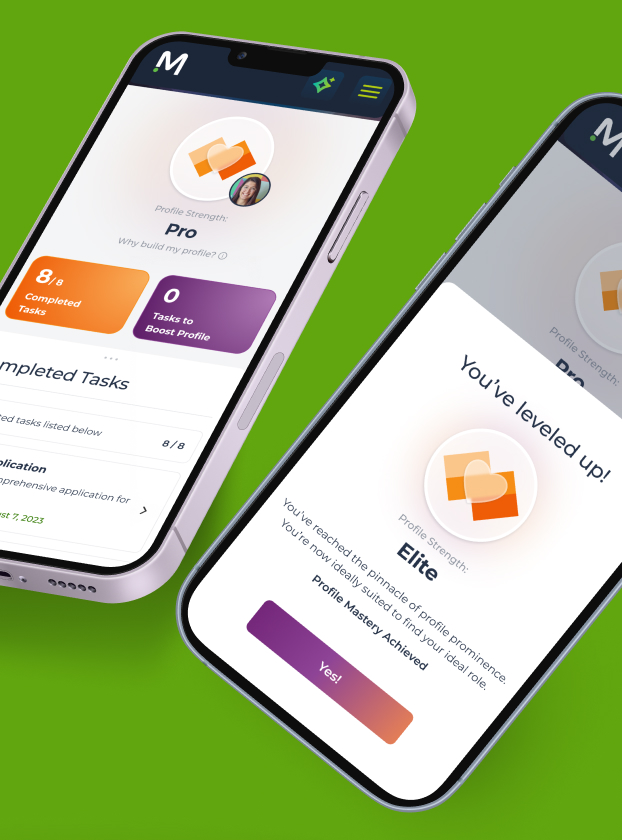
When I took on design leadership for the Medical Solutions Clinician App five years ago, it crashed, buried clinicians in extra steps, and was rated 2.2 stars on the App Store, 2.7 on Google Play. I rebuilt the product, the team, and the research practice behind it from the ground up. This past year, the ratings climbed to 4.9 and 4.8.
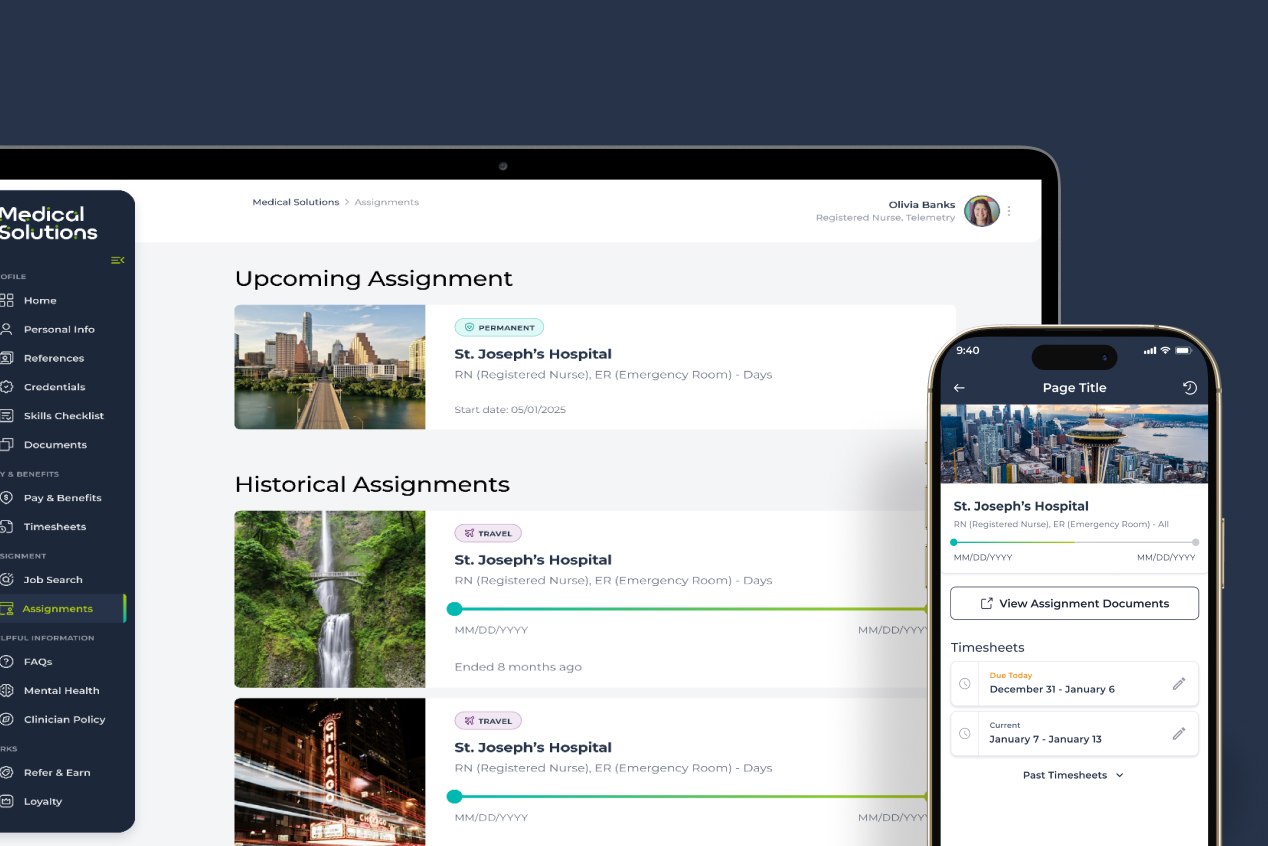
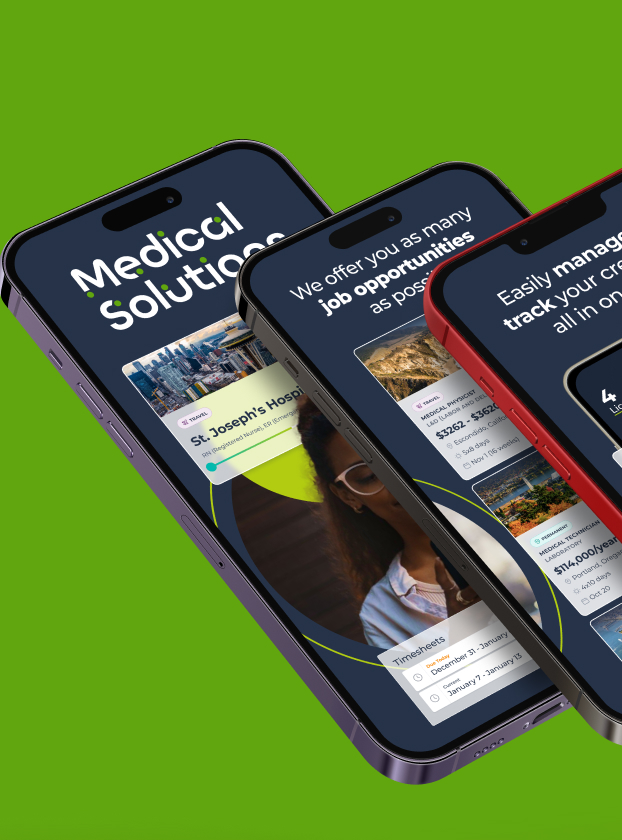
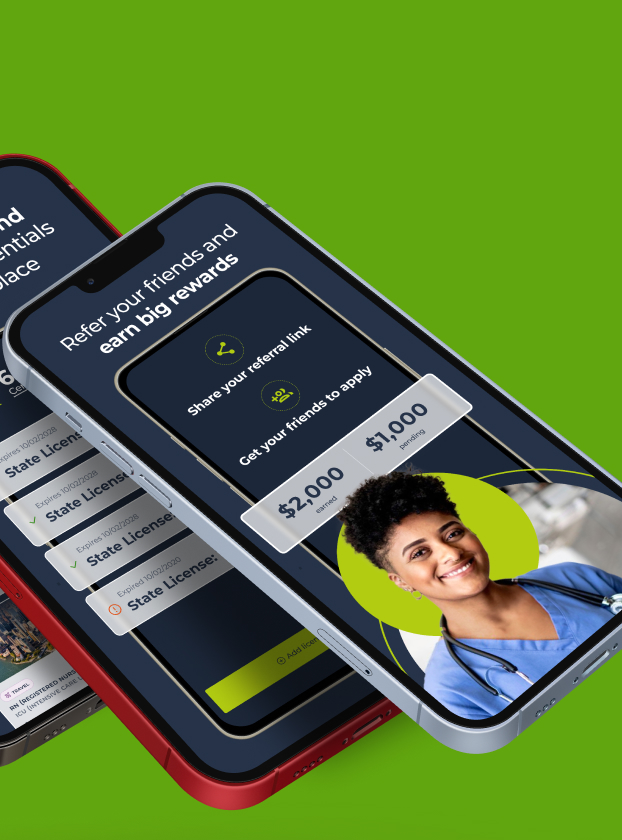
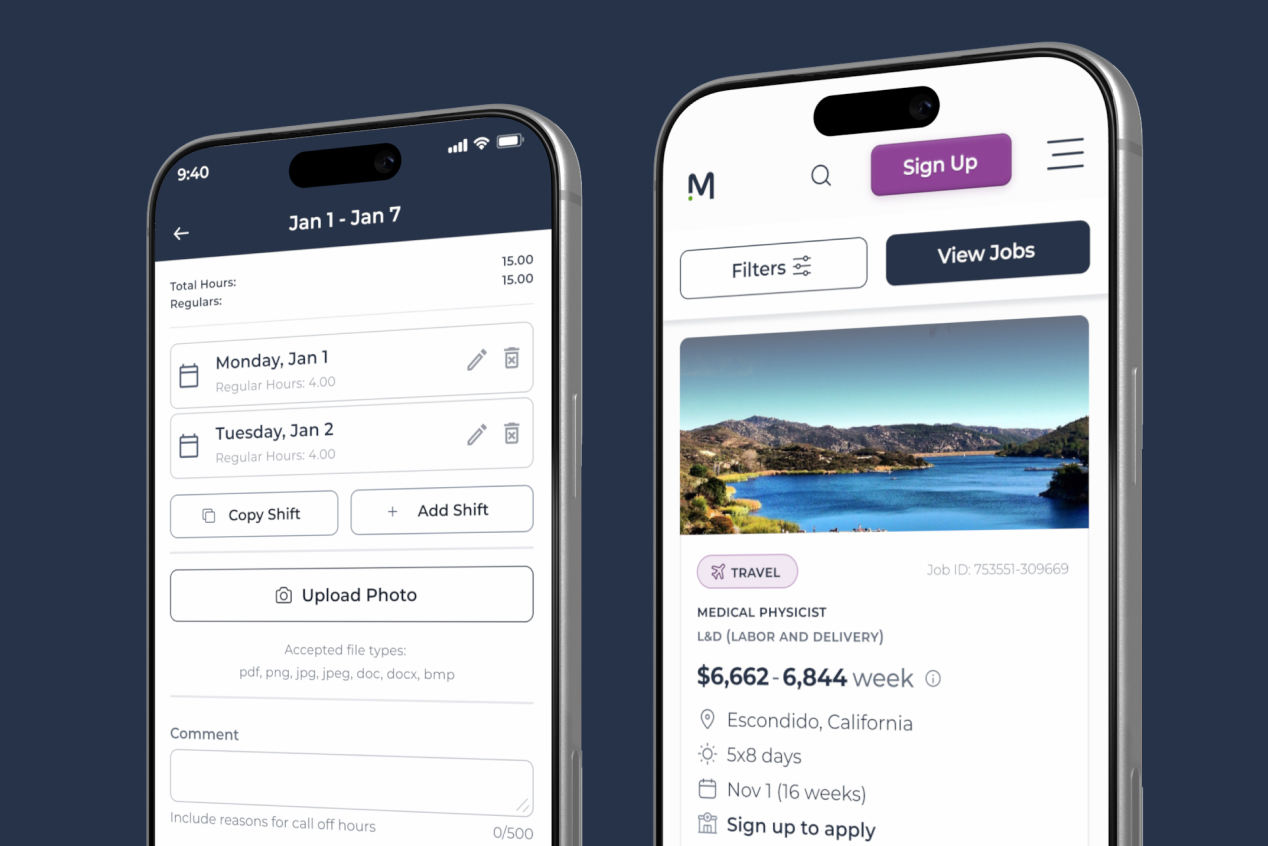
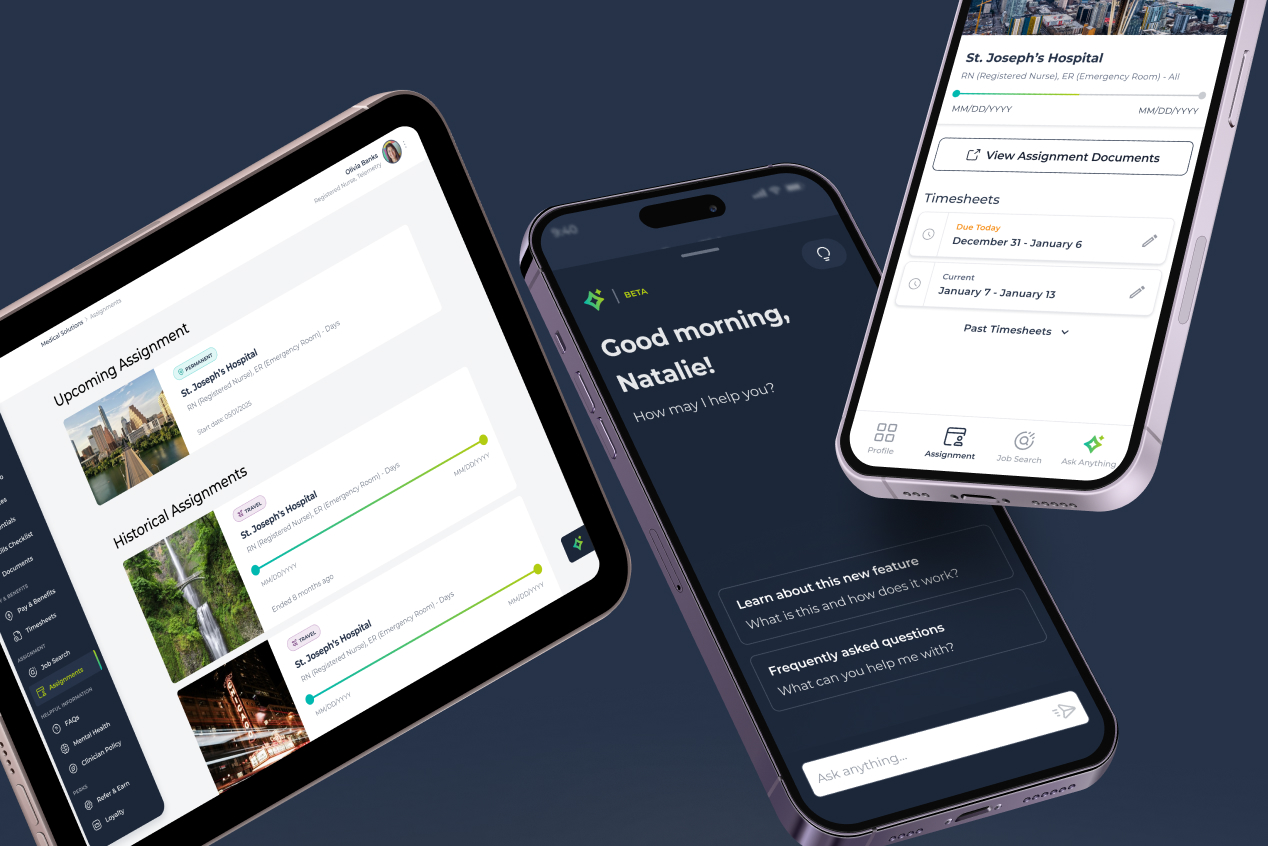
The Clinician App is the product a traveling healthcare professional uses from the moment they first hear of Medical Solutions through placement and every day they're on assignment: job search, application, onboarding, credentials, timesheets, and pay, on web, iOS, and Android. Five years ago, it crashed, buried clinicians in extra steps to do basic things, and was confusing to navigate. It was rated 2.2 stars on the App Store, 2.7 on Google Play. For a staffing business that depends on keeping more than 4,000 healthcare facilities covered, an app clinicians couldn't rely on wasn't a side issue. It sat directly in the path of every placement the business needed to make.
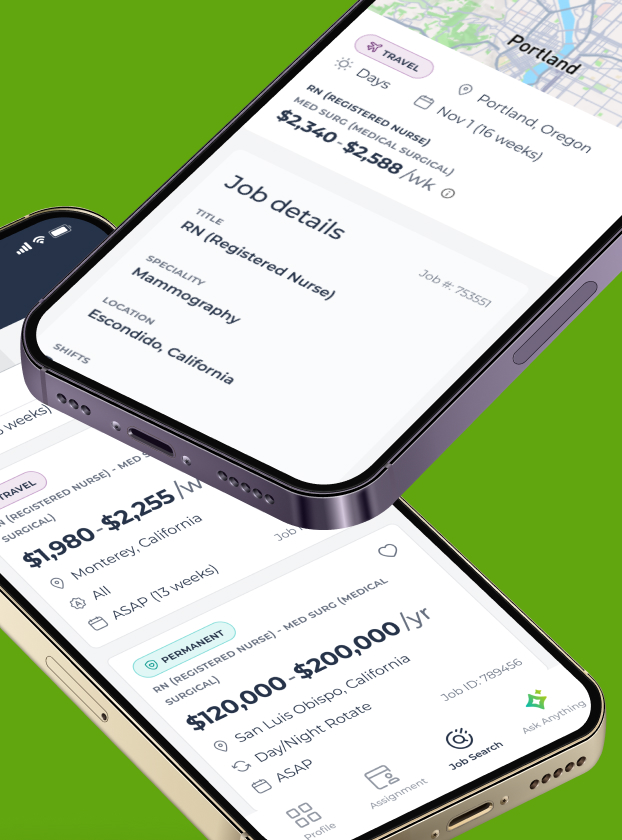
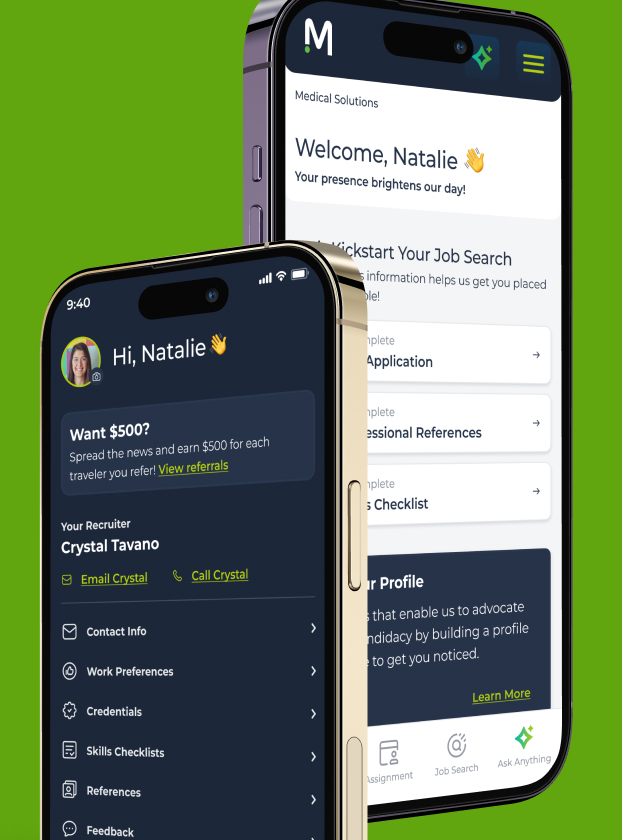
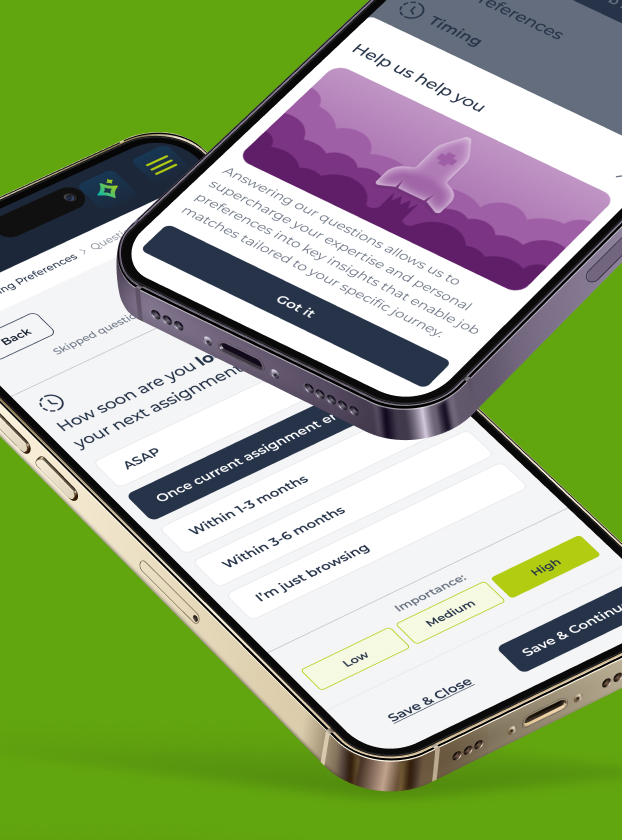
There was no customer research practice in place when I started: no structured way to hear from clinicians or turn what they said into decisions. Building that from the ground up was as much a part of fixing the app as any individual redesign: a Continuous Discovery model and cross-functional product triads across Product, Design, and Engineering, backed by a unified research infrastructure connecting interviews, behavioral analytics, and session video, made evidence about the clinician experience searchable instead of nonexistent. Customer research participation grew more than 1,600% off that near-zero starting point. The redesign itself focused on three parts of the journey: the application flow, onboarding, and the matching experience that connects a clinician to the right job.
None of that happens without rebuilding how the design organization itself operates. When Medical Solutions invested in the technology behind the business, I used that opening to grow the design team from 3 to 12 people, including 6 direct reports and 2 people managers running their own teams, and built the governance standards, competency frameworks, and career pathways to make that growth sustainable instead of just bigger. The harder work was outside the design team: making the case, repeatedly, to leadership beyond product that what a clinician experiences in this app isn't a UX detail: it's the thing standing between a healthcare facility and the clinician it needs on staff. Winning that argument, and backing it with data every time, is what let the design work actually stick.
Five years in, the results show up across the product and the business both. The real climb in ratings came this past year: App Store up to 4.9, Google Play to 4.8, from 2.2 and 2.7 at the start. The application redesign, onboarding, and matching experience lifted application conversion 8%, cut onboarding time 18%, and reduced clinician time-to-hire 10%, time returned to clinicians getting into the field faster and to a business that depends on filling assignments quickly. Task completion now runs 82% on clinician timesheets and 79% on the full application. The app averages 1.35 million sessions and more than 325,000 unique visitors a month across web, iOS, and Android.
Underneath the product sits a design system disciplined enough to keep a fast-growing app coherent as it scales across an ecosystem of clinicians, health systems, recruiters, and internal teams. 2025 marked the first year the team put autonomous, AI-assisted workflows into early-stage design work, cutting a discovery-to-prototype turnaround that used to take 5 to 8 hours down to under 30 minutes, without giving up rigorous human review. The goal was never to remove people from the process. It was to eliminate the mundane so the humans on the team, and the clinicians they design for, spend their time on what actually matters.
What Medical Solutions needed was never just a better app. It needed a customer-first approach proven out in an experience that works for the clinician and the business at once, one that manages to feel less like healthcare staffing software and more like something a clinician chooses to open. That is the standard the Clinician App was built to.