Healthcare providers face an overwhelming challenge: up to 20% of patient appointment time is consumed by clerical tasks buried in complex systems and irrelevant data. Working within Mayo Clinic's Center for Innovation, I co-designed a situational awareness platform directly with physicians to give that time back.
The goal was to alleviate that burden while improving situational awareness across the clinical environment, and I built it by working directly alongside the physicians who would use it every day.
Streamlining administrative workflows required more than a surface level fix. I focused on the root causes of inefficiency, designing a system built for clarity and precision so it could unlock more time for patient care while giving providers the tools to work smarter, not just faster.
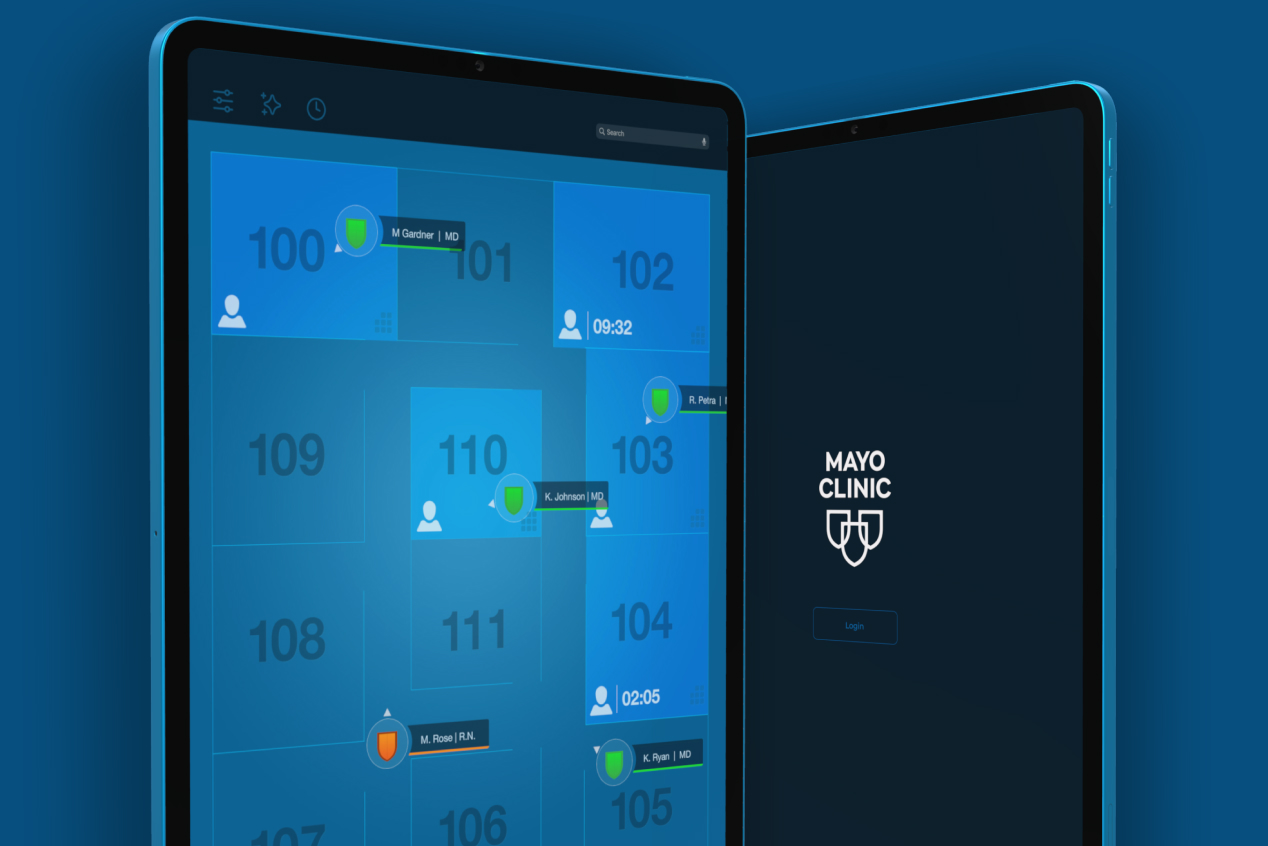
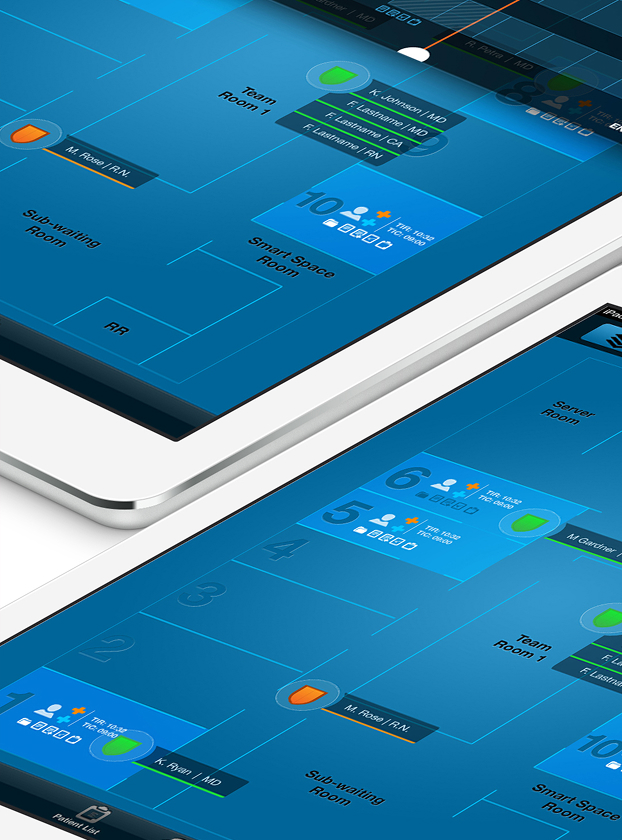
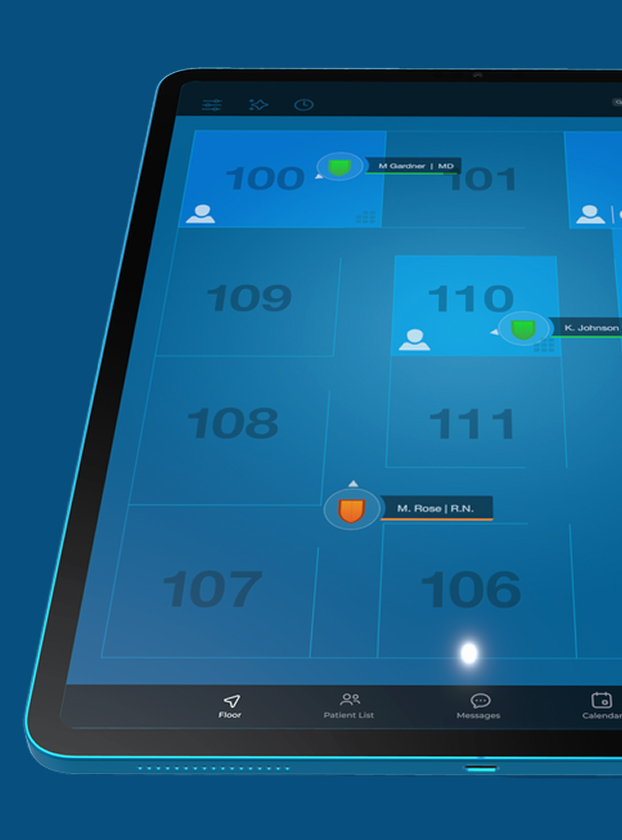
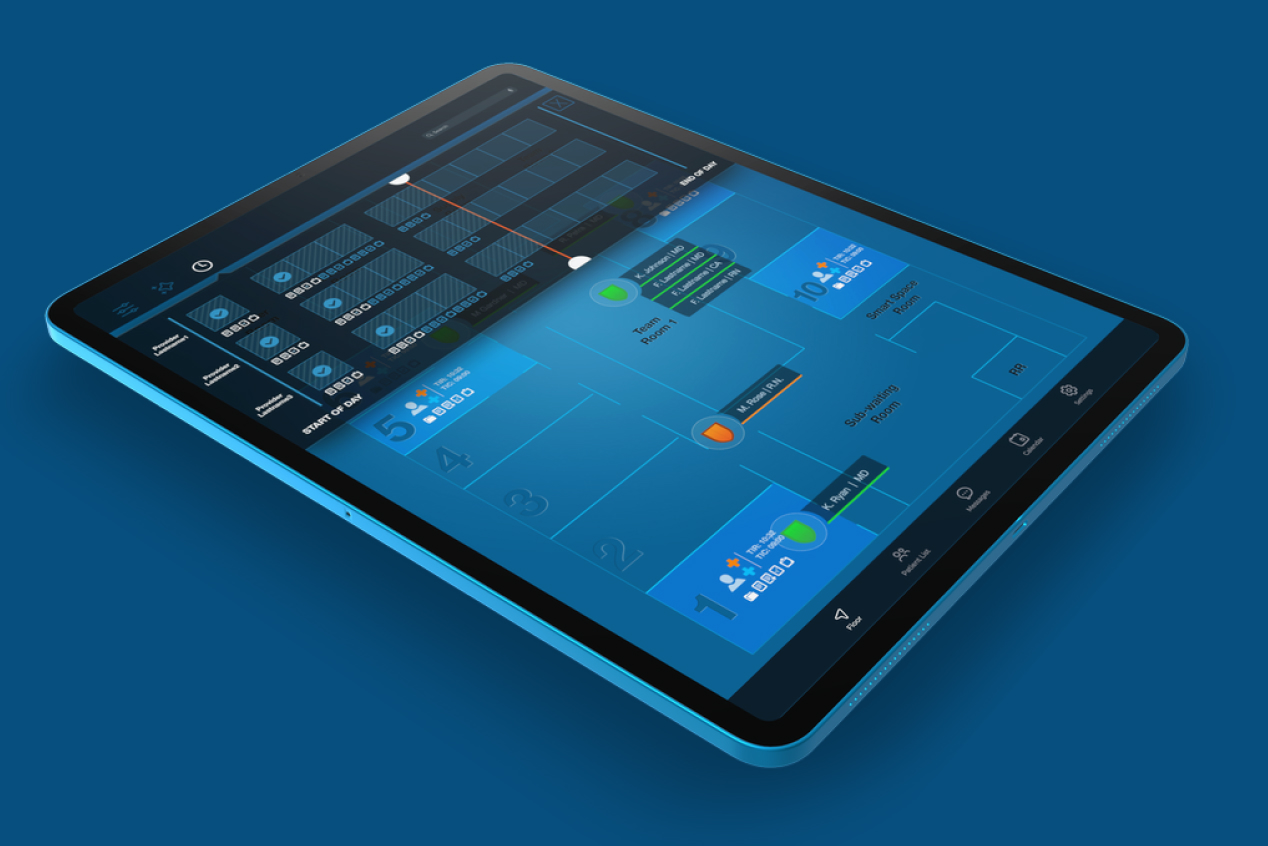
I designed the application around a live, floor level view: room status, provider assignments, and patient flow visible at a glance, replacing a workflow that had been scattered across disjointed tools and manual tracking. Every piece of it, from the floor plan down to the individual patient card, came out of sitting with physicians and clinical staff to understand where their time was actually going.
A clinical pilot validated the approach directly. Standardized workflows reduced variability and errors across the care team. Comprehensive in-app tools let providers edit notes, orders, billing, and medications without leaving the platform. Real time situational awareness measurably streamlined decision making on the floor. Co-designing this directly with physicians is also what got it adopted, not just built, and it reduced clinical staff workload 20% in practice.
What I brought to Mayo Clinic was not another dashboard nobody would open. It was a tool built from the floor up around how care teams actually move through a shift, validated with the people doing that work, that turned reclaimed time back into patient care and set a new internal standard for what a clinical efficiency tool at Mayo Clinic should look like.